

Skip to content

Forest Invasion Synthesis Centre, Prague

Invasive species are among the greatest threats to forest ecosystems today, disrupting biodiversity, livelihoods and economies. Based at the Czech University of Life Sciences, Faculty of Forestry and Wood Sciences — an inspiring academic environment we are proud to be part of — we investigate ecological and socio-economic aspects of invasions by plants, insects and pathogens in forest ecosystems. We apply a synthesis center model to integrate field data, global datasets, and models to clarify risks and inform decisions. We translate scientific evidence into actionable insights for managers and policymakers — protecting forests and the people who rely on them.

Research Ideas

Browse potential topics for future FISC working groups and explore emerging questions in forest invasion research. These ideas may inspire new collaborative synthesis projects.

Call For Proposals Open

We have some good news – a new call for Working Group proposals is now open. Pre-proposals can be submitted until 1 July 2026. We’d love to hear from you!

Experts on FISC

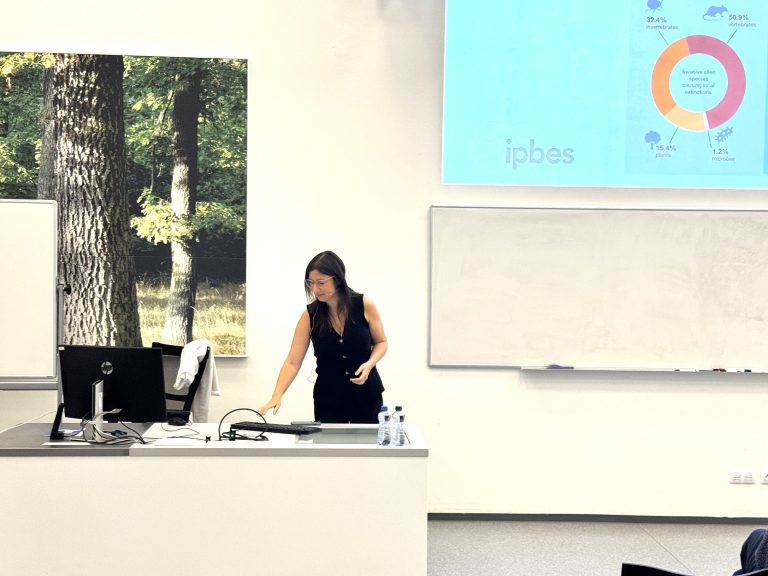
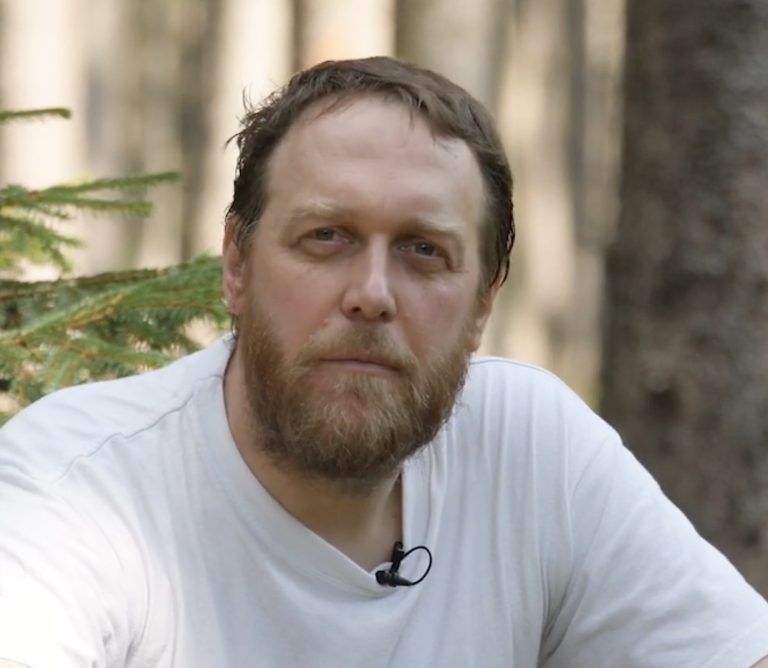
Connecting data, researchers and practice. Leading forest invasion scientists explain why FISC and the model of synthesis centers matter.
What’s happening

Latest news

17.06.2026

Rain Did Not Stop Us. FISC Joined BioBlitz 2026

Despite rainy weather, the FISC BioBlitz walk brought together participants for careful mapping of invasive species around ČZU. During the walk, we recorded 6 of the 16 mapped species. This year’s BioBlitz recorded 868 observations from 25 species, with 161 people taking part.
15.06.2026

Dark diversity offers new insight into invasion success

A new collaborative study involving FISC postdoctoral researcher Shuya Fan shows how dark diversity can help explain invasion success. The research offers a new perspective on Darwin’s naturalization conundrum and highlights the value of looking not only at species that are present, but also at those ecologically expected yet absent.
10.06.2026

New Czech–Swiss collaboration to address non-native and invasive species in changing forests

Forestry
Network
A new project brings together experts from the Czech University of Life Sciences Prague and the Swiss Federal Institute for Forest, Snow and Landscape Research (WSL). It will focus on the risks and opportunities associated with non-native species in forestry and develop evidence-based recommendations for their responsible use and management.
About FISC

Advancing Global Understanding of Forest Invasions

The Forest Invasion Synthesis Centre, Prague (FISC) at the Czech University of Life Sciences Prague advances the understanding of biological invasions in forests. Its mission is to establish a leading research group, strengthen capacity in invasion ecology, and foster innovation. The centre is led by Dr. Andrew M. Liebhold, a globally recognized leader in forest invasion science.

Advancing Global Understanding of Forest Invasions
At FISC, we aim to apply the most efficient scientific methods to maximize the value of existing data. By synthesizing global evidence and fostering collaboration, we seek to accelerate discovery and produce high-impact results that inform real-world forest management and policy.
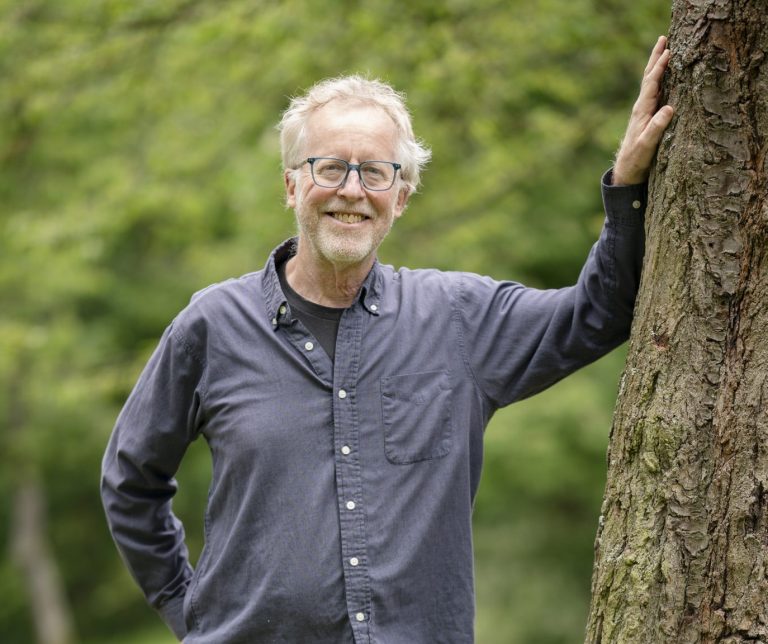
Andrew "Sandy" M. Liebhold, Ph.D.

Andrew "Sandy" M. Liebhold, Ph.D.

Having spent most of his career as a research scientist in the USA, Liiebhold has joined the Czech University of Life Sciences in Prague to lead its newly established Forest Invasion Synthesis Centre and to advance cutting-edge research on forest ecosystems. The Centre has assembled an interdisciplinary team to conduct research and facilitate synthesis research on various aspects of biological invasions in forests.


  • Strong record of research on forest insect population ecology and biological invasions
  • Long history of international collaboration and leadership in the International Union of Forest Research Organizations
  • Extensive experience organizing and participating in working groups at synthesis centres such as NCEAS, SESYNC and NIMBios
Featured Outputs

Research

The known unknowns in international border interceptions of non-native insects.

Turner, R. M., Liebhold, A. M., Nahrung, H. F., Phillips, C. B., Yamanaka, T., & Brockerhoff, E. G.
Conferences & meetings

Upcoming events

24.06.2026

FISC Trains: Who speaks, who decides, who is credited? Gender-balanced collaboration in multicultural research teams

A training intended primarily for doctoral students, researchers, academics and administrative staff who want to delve into the gender-balanced collaboration in multicultural research teams.
What are we planning?

Event calendar

Join our team

How can you get involved?

We welcome ideas and initiative. Even if no position is currently open, feel free to send us your CV and a short note about your interests. We´re also excited about connecting research with practice and collaborating across disciplines. Get in touch – great ideas often start with a simple conversation.

Join our core team

Become part of an international group advancing forest invasion research. Work closely with leading experts, shape new ideas, and contribute to real-world impact.

Join our working group

Collaborate with researchers and practitioners across disciplines. Our working groups tackle key questions in forest invasions—your expertise and ideas are welcome.

Suggest new working group

Have a research idea you’d like to develop? Suggest a new working group and bring together people with shared interests to tackle emerging challenges in forest invasions.

Got another idea?

Thinking of a different way to collaborate? Whether it’s outreach, data sharing, or joint projects—we’d love to hear from you and explore the possibilities.

Project HIVE 101187384. Funded by the European Union. Views and opinions expressed are however those of the author(s) only and do not necessarily reflect those of the European Union or the European Research Executive Agency. Neither the European Union nor the granting authority can be held responsible for them.